Physical Address
304 North Cardinal St.
Dorchester Center, MA 02124
Physical Address
304 North Cardinal St.
Dorchester Center, MA 02124

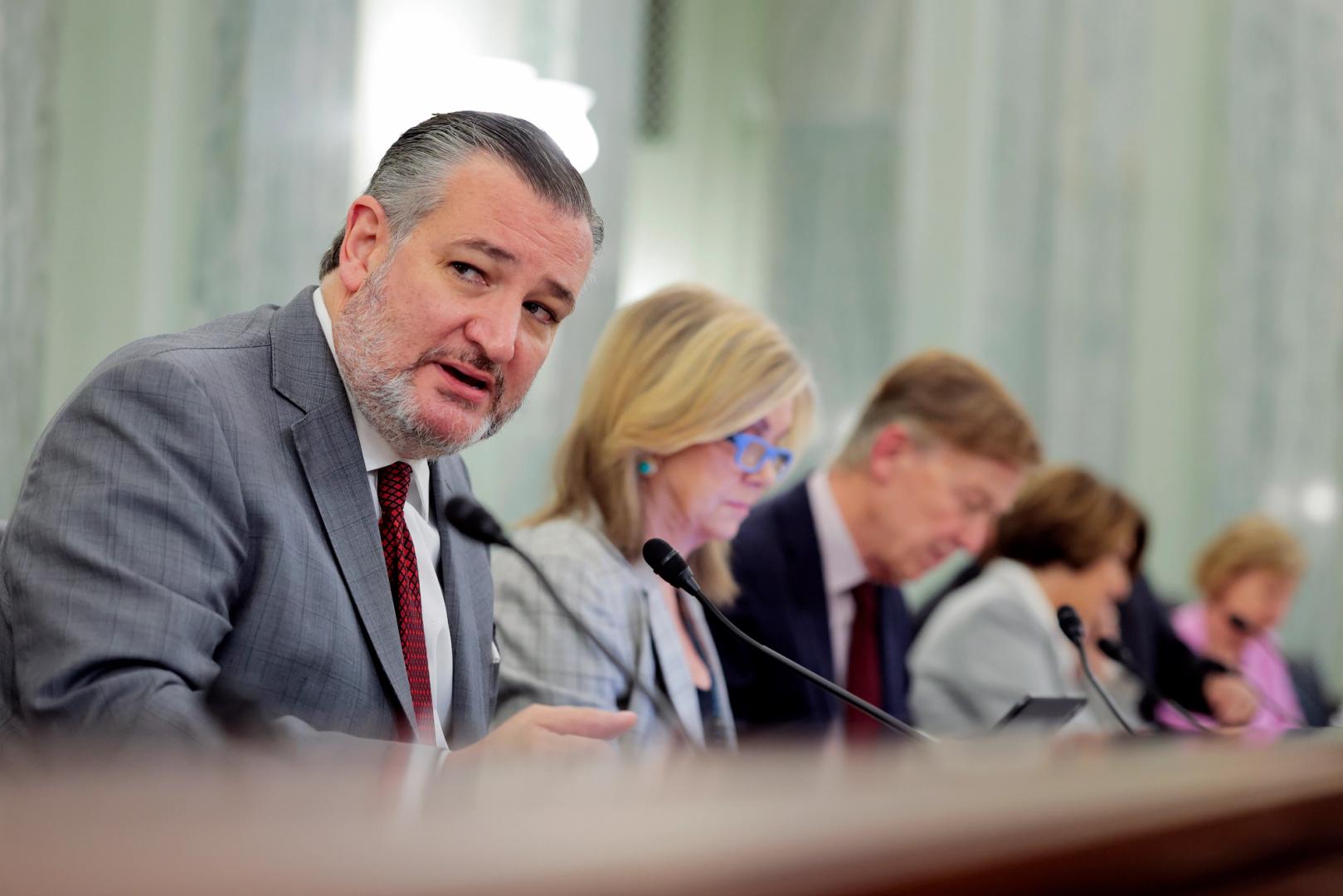
Recent developments in the financial sector have brought prediction markets firms, such as Kalshi, under the microscope. A Senate Commerce hearing recently convened to address a surge in these platforms, raising significant questions about their operations and potential societal impacts. This article delves into the key concerns highlighted during the hearing, providing context on why this increased Prediction Markets Scrutiny matters for consumers, investors, and the broader regulatory landscape.
During a recent Senate Commerce Committee hearing, prediction markets firms, including prominent player Kalshi, faced a barrage of questions from lawmakers. The core of the inquiry centered on several critical areas of concern. Specifically, senators focused on the practices of these platforms, particularly regarding their advertising strategies and the potential for misuse.
Key points of contention included allegations of advertising that could appeal to children, raising alarms about consumer protection for vulnerable populations. Furthermore, the hearing addressed the risk of cheating by athletes, suggesting that such markets could create incentives for unfair play in sports. Lawmakers also expressed worries that these prediction markets might be undermining the integrity and regulatory frameworks of established, regulated gaming industries.
The increased scrutiny of prediction markets holds significant implications for various stakeholders. For consumers, the concerns about advertising to children highlight the need for robust safeguards in emerging digital financial services. If these platforms are not adequately regulated, there is a risk of exposing minors to potentially addictive or harmful financial activities.
From a sports integrity perspective, the potential for athlete cheating could erode public trust in professional sports. If outcomes can be influenced by participants in prediction markets, it undermines the fairness and competitive spirit that defines athletic contests. This could have ripple effects on sports leagues, sponsors, and fans alike.
Moreover, the debate over whether prediction markets undermine regulated gaming points to a broader challenge in financial innovation. Traditional gaming industries operate under strict licenses and regulations designed to prevent fraud, ensure fair play, and address problem gambling. If prediction markets operate with less oversight, they could create an uneven playing field and potentially circumvent consumer protections established in other sectors.
For investors and businesses operating in the digital finance space, this hearing signals a growing interest from regulators in understanding and potentially controlling new market structures. The outcome of such scrutiny could shape future legislation, influencing how prediction markets are allowed to operate, advertise, and interact with other regulated industries.
Prediction markets are platforms where users can bet on the outcome of future events. These events can range widely, from political elections and economic indicators to sports results and scientific discoveries. Participants buy and sell “shares” in potential outcomes, with the price of a share reflecting the market’s perceived probability of that event occurring. If an event happens, shares tied to that outcome pay out; otherwise, they become worthless.
Historically, prediction markets have been studied for their potential to aggregate information and forecast events more accurately than traditional polling or expert opinions. Proponents argue they can provide valuable insights into collective intelligence. However, their resemblance to gambling has always placed them in a complex regulatory grey area.
In the United States, the Commodity Futures Trading Commission (CFTC) has asserted jurisdiction over some prediction markets, particularly those dealing with economic or financial outcomes, treating them as derivatives. However, the exact regulatory framework for all types of prediction markets, especially those touching on sports or social events, remains a subject of ongoing debate and evolving interpretation.
The rise of digital platforms has made prediction markets more accessible, leading to a surge in their popularity and, consequently, increased attention from lawmakers. This growth has highlighted the need for clear guidelines to ensure consumer protection, market integrity, and fair competition with established industries.
Following the Senate Commerce hearing, several developments are worth monitoring for those interested in the future of prediction markets and digital finance regulation. The immediate aftermath may see further discussions or investigations initiated by the committee or other regulatory bodies.
Readers should pay attention to any proposed legislation or regulatory guidance that emerges concerning prediction markets. Lawmakers might seek to clarify their legal status, impose stricter advertising rules, or establish specific licensing requirements. The outcome could significantly impact how these platforms operate and expand.
Furthermore, observe how the firms themselves, like Kalshi, respond to the concerns raised. They may implement new internal policies, adjust their marketing strategies, or engage more actively with regulators to address the issues. The industry’s proactive measures could influence the tone and direction of future oversight.
Finally, keep an eye on broader discussions about the intersection of technology, finance, and consumer protection. The debate around prediction markets is part of a larger conversation about regulating novel digital services and ensuring they operate responsibly within existing legal frameworks.
The recent Senate Commerce hearing marks a pivotal moment for prediction markets firms, bringing their operations under intense public and regulatory scrutiny. Concerns ranging from advertising ethics to market integrity underscore the complex challenges posed by these innovative platforms. As regulators grapple with how to best oversee this evolving sector, the discussions initiated in the Senate will undoubtedly shape the future landscape for prediction markets, impacting both their operators and the broader digital financial ecosystem.
Prediction markets are platforms where users can trade contracts based on the outcome of future events. The price of these contracts reflects the market’s collective belief about the probability of an event occurring.
Prediction markets are facing scrutiny due to concerns raised in a Senate Commerce hearing. These concerns include allegations of advertising to children, the potential for athletes to cheat, and whether these platforms undermine regulated gaming industries.
Firms such as Kalshi were specifically mentioned during the Senate Commerce hearing as examples of prediction markets platforms under review.
A primary concern regarding advertising is the potential for prediction markets to target or appeal to children, raising questions about consumer protection and responsible marketing practices for financial-like products.
Source: https://www.coindesk.com/