Physical Address
304 North Cardinal St.
Dorchester Center, MA 02124
Physical Address
304 North Cardinal St.
Dorchester Center, MA 02124

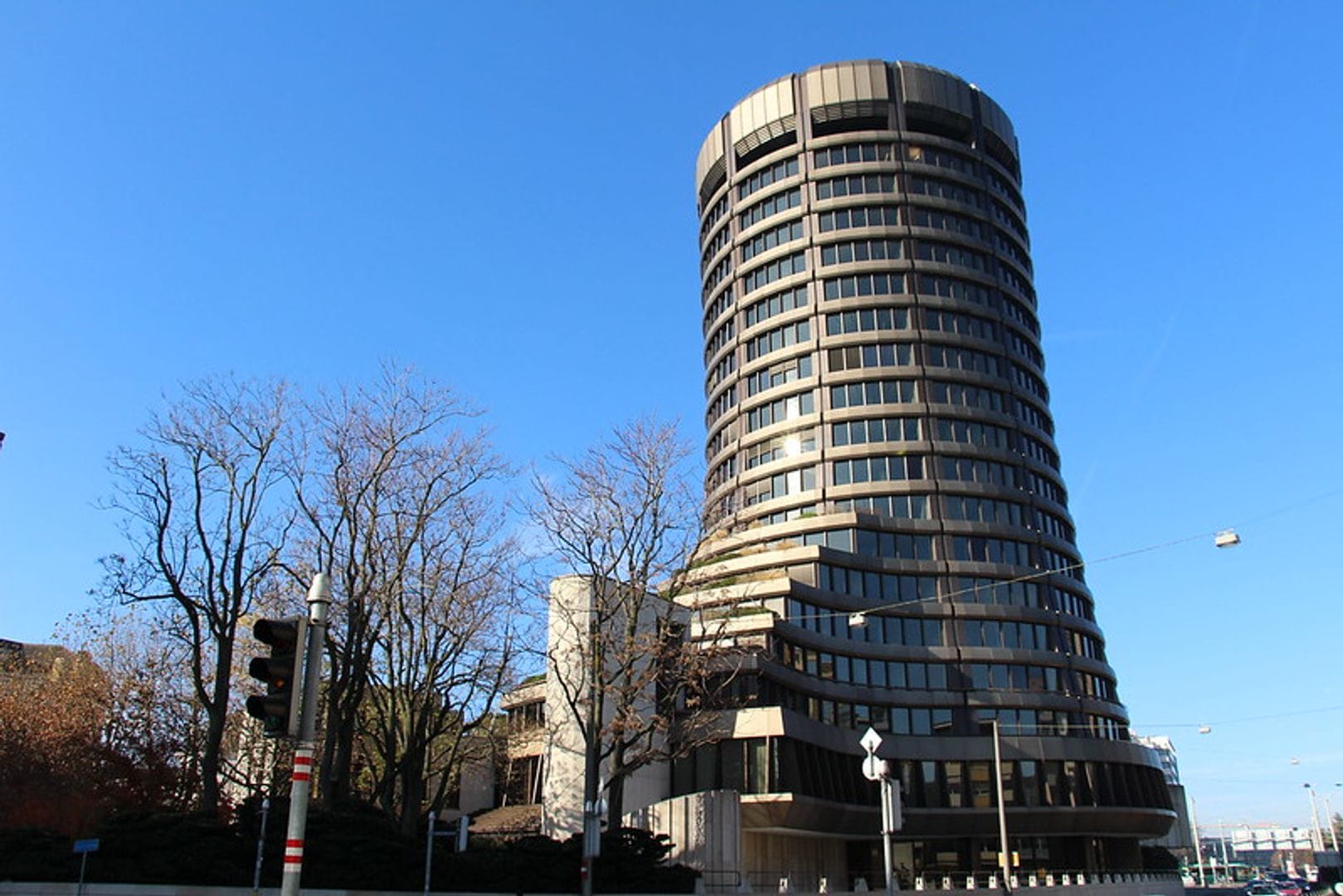
The global financial landscape is constantly evolving, with a strong focus on making transactions more efficient and secure. A significant development in this area comes from Project Agorá, an initiative backed by the Bank for International Settlements (BIS) and several major central banks. This project has found that Tokenization holds immense potential to revolutionize cross-border payments, making them significantly faster and safer than traditional methods. This news signals a crucial step forward as the project prepares for “real-value” testing, aiming to settle tokenized central bank money and bank deposits on advanced blockchain rails.
This initiative could reshape how international transactions are conducted, offering substantial benefits to businesses, financial institutions, and consumers worldwide. Understanding the implications of Tokenization in this context is vital for anyone tracking the future of finance.
Project Agorá, a collaborative effort involving the Bank for International Settlements (BIS) and several prominent central banks, has concluded its initial phase with promising findings. The project specifically explored how Tokenization could enhance the efficiency and security of cross-border payments. The key outcome of this phase is the determination that settling tokenized central bank money and tokenized commercial bank deposits on blockchain-based platforms can lead to substantial improvements.
Following these positive findings, Project Agorá is now set to advance to its next critical stage: “real-value” testing. This phase will involve practical application and evaluation of the proposed tokenized payment systems, moving beyond theoretical models to actual transactions. This progression marks a significant milestone in the exploration of digital currencies and distributed ledger technology (DLT) for international finance.
The findings from Project Agorá are highly significant for the global financial system. Cross-border payments have long been plagued by inefficiencies, including high costs, slow processing times, and complex reconciliation processes. These challenges impact businesses engaged in international trade, individuals sending remittances, and financial institutions managing global liquidity.
Current systems often rely on a network of correspondent banks, which can introduce delays and increase fees due to multiple intermediaries. The promise of Tokenization, as highlighted by the BIS project, is to streamline these processes by enabling near-instantaneous settlement and reducing the number of intermediaries. This could lead to lower transaction costs, greater transparency, and enhanced security, mitigating risks associated with fraud and operational errors.
For investors and businesses, faster and more reliable cross-border payments mean improved cash flow management, reduced foreign exchange risks, and greater access to global markets. For consumers, it could translate into cheaper and quicker ways to send money internationally. The involvement of major central banks underscores the potential for these innovations to be integrated into the mainstream financial infrastructure, rather than remaining niche applications.
Cross-border payments are transactions that occur between parties in different countries. Traditionally, these payments involve multiple banks and payment networks, often leading to delays of several days and significant fees. The underlying infrastructure, often based on decades-old technology, struggles to meet the demands of a rapidly globalizing digital economy.
Tokenization is the process of converting rights to an asset into a digital token on a blockchain. In the context of finance, this means representing central bank money or commercial bank deposits as digital tokens. These tokens can then be transferred and settled on a distributed ledger technology (DLT) platform, offering a new paradigm for transaction processing.
The Bank for International Settlements (BIS) acts as a bank for central banks, fostering international monetary and financial cooperation. Its Innovation Hub is dedicated to exploring new technologies that can improve the global financial system. Projects like Agorá are part of a broader global effort by central banks to understand and potentially implement digital currencies and DLT solutions, often referred to as Central Bank Digital Currencies (CBDCs) or wholesale CBDCs, to enhance financial infrastructure. For more information on the BIS’s work, you can visit their official website: Bank for International Settlements.
The outlook for Tokenization in finance appears increasingly positive, especially in the realm of cross-border payments. The successful initial phase of Project Agorá provides strong validation for the technology’s potential. As the project moves into real-value testing, the financial industry will closely watch for practical demonstrations of its benefits.
Beyond payments, Tokenization is also being explored for various other financial assets, including securities, real estate, and commodities. This broader application could lead to more liquid markets, fractional ownership opportunities, and automated compliance through smart contracts. However, challenges remain, including regulatory clarity, interoperability between different blockchain networks, and cybersecurity concerns. Addressing these will be crucial for widespread adoption.
The collaboration between central banks and the BIS suggests a concerted effort to integrate these innovations into the established financial system, rather than allowing them to develop in isolation. This institutional backing could accelerate the development and deployment of tokenized solutions, setting a new standard for global financial transactions. For further reading on digital finance, consider exploring resources on digital currencies and blockchain technology.
As Project Agorá progresses, several key developments will be important to monitor. The most immediate is the outcome of the “real-value” testing phase. Details on the participants, the types of transactions tested, and the results will provide critical insights into the practical viability and scalability of tokenized cross-border payments.
Additionally, keep an eye on regulatory responses and frameworks being developed by various jurisdictions. The successful implementation of such a system will require clear legal and regulatory guidelines. Watch for announcements from other central banks regarding their own CBDC initiatives or participation in similar cross-border payment projects. The interoperability between different national digital currencies and tokenized systems will also be a crucial factor for the future of global finance.
Finally, observe how commercial banks and other financial institutions begin to adapt their strategies in response to these innovations. Their willingness and ability to integrate tokenized solutions will play a significant role in the overall transformation of the payment landscape.
The findings from Project Agorá underscore a transformative period for global finance, driven by the potential of Tokenization. As the initiative moves into real-value testing, the world will be watching to see how this technology can deliver on its promise of faster, safer, and more efficient cross-border payments. This evolution could redefine international commerce and financial interactions for years to come.
Related reading: Massive $1 Trillion Market: Crypto IPOs Poised for Growth Amid Tokenization Wave, Jefferies Says
Project Agorá is an initiative led by the Bank for International Settlements (BIS) and several major central banks. Its purpose is to explore how Tokenization can improve the speed and safety of cross-border payments by settling tokenized central bank money and bank deposits on blockchain rails.
Tokenization can improve cross-border payments by converting traditional assets or money into digital tokens on a blockchain. This allows for near-instantaneous settlement, reduces the need for multiple intermediaries, and can lower transaction costs and enhance transparency and security compared to conventional payment systems.
Following its initial findings, Project Agorá is moving into a “real-value” testing phase. This will involve practical, live testing of the tokenized cross-border payment system to evaluate its performance, efficiency, and security in a real-world environment.
Central banks are interested in Tokenization because it offers a potential solution to long-standing inefficiencies in traditional cross-border payment systems. By leveraging distributed ledger technology, they aim to enhance financial stability, reduce systemic risks, and foster innovation in the global financial infrastructure.
Source: https://www.coindesk.com/






[…] Related reading: Tokenization Powers Faster Cross-Border Payments: BIS Project Reveals Key Insights […]