Physical Address
304 North Cardinal St.
Dorchester Center, MA 02124
Physical Address
304 North Cardinal St.
Dorchester Center, MA 02124

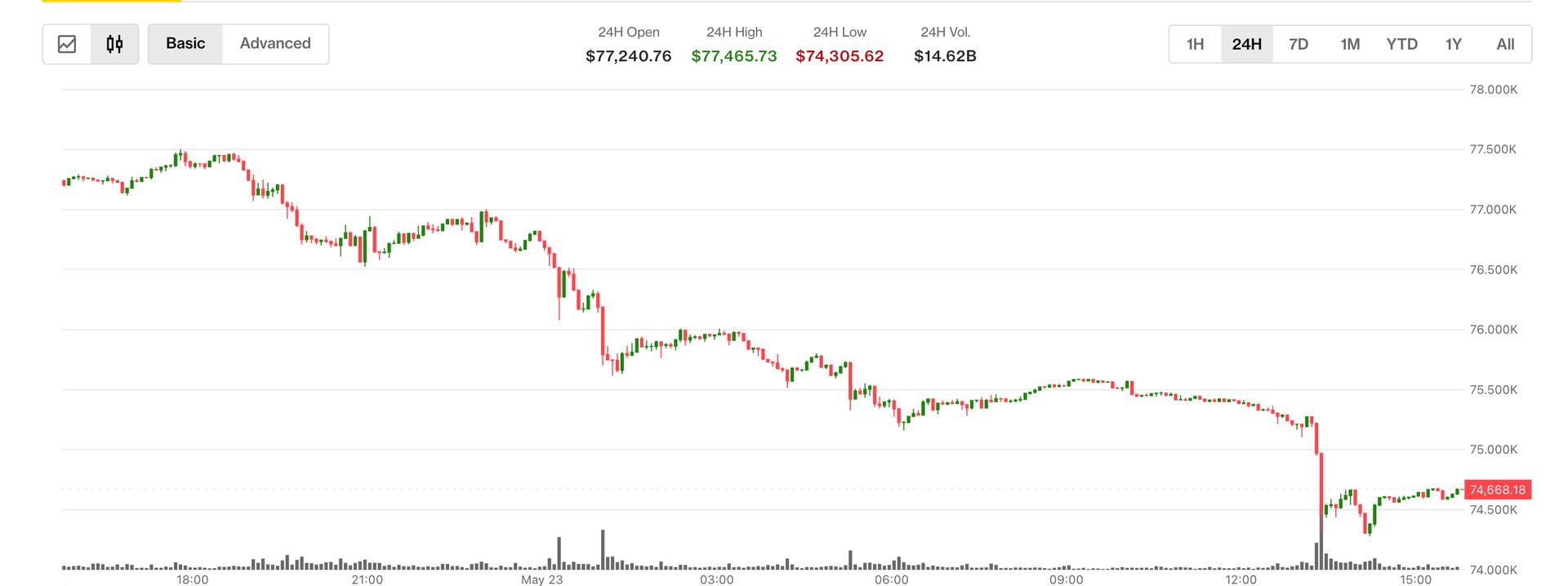
The cryptocurrency market is currently observing a notable shift in investor behavior, particularly concerning U.S.-listed spot Bitcoin exchange-traded funds (ETFs). Recent data indicates significant Bitcoin ETF outflows, with these investment vehicles experiencing a substantial withdrawal of capital. This trend highlights evolving market dynamics and investor sentiment towards digital assets.
Understanding these outflows is crucial for anyone tracking the health and direction of the broader crypto ecosystem. The movement of such significant capital can signal shifts in confidence, risk appetite, or strategic reallocations among institutional and retail investors alike.
Over the past two weeks, U.S.-listed spot Bitcoin exchange-traded funds have recorded more than $2.26 billion in outflows. This figure represents a significant withdrawal of capital from these investment products, which allow investors to gain exposure to Bitcoin without directly owning the cryptocurrency.
This period of sustained outflows has coincided with a notable price movement for Bitcoin itself, which has seen its value decrease to $74,300. The combined effect of these outflows and price action underscores a challenging period for the digital asset market.
The substantial Bitcoin ETF outflows are a critical indicator for several reasons. Firstly, spot Bitcoin ETFs were launched with high expectations, aiming to bridge traditional finance with the crypto world and attract new institutional capital. Significant outflows suggest that some of this capital might be retreating or reallocating.
Secondly, these outflows can exert downward pressure on Bitcoin’s price. When investors redeem their ETF shares, the fund managers may need to sell underlying Bitcoin holdings to meet those redemptions, contributing to selling pressure in the market. This dynamic can impact overall market stability and investor confidence.
Finally, the trend reflects broader market sentiment. Persistent outflows could indicate a shift from bullish to more cautious or bearish outlooks among a segment of investors, potentially influenced by macroeconomic factors, regulatory concerns, or changing risk appetites.
Spot Bitcoin ETFs were a highly anticipated development in the cryptocurrency space. Their approval in the U.S. earlier this year was hailed as a landmark event, expected to usher in a new era of institutional investment and mainstream adoption for Bitcoin. These ETFs offer a regulated and accessible way for investors to participate in the Bitcoin market without the complexities of direct cryptocurrency ownership, such as setting up digital wallets or managing private keys.
Since their launch, these ETFs have seen periods of both significant inflows and outflows, reflecting the volatile nature of the cryptocurrency market and the evolving sentiment of investors. The initial excitement led to substantial capital inflows, but market corrections and shifting economic landscapes often lead to profit-taking or risk aversion, resulting in periods of net outflows. Understanding the context of these funds’ performance requires acknowledging both their initial impact and their ongoing sensitivity to market conditions.
The current trend of Bitcoin ETF outflows suggests a period of re-evaluation among investors. While a $2.26 billion outflow is significant, it’s important to consider it within the context of the total assets under management (AUM) for these funds, which still collectively hold substantial Bitcoin. The outlook for these outflows will largely depend on several factors, including the broader macroeconomic environment, future regulatory developments, and Bitcoin’s price performance.
Should Bitcoin’s price stabilize or begin to recover, it could potentially stem the tide of outflows and even lead to renewed inflows. Conversely, continued price weakness or negative news could exacerbate the trend. Investors are likely watching for signs of stability and renewed confidence in the digital asset space.
Readers interested in the cryptocurrency market should monitor several key indicators. Firstly, keep an eye on the daily flow data for U.S.-listed spot Bitcoin ETFs, which provides real-time insights into investor sentiment. Continued significant outflows or a reversal to inflows will be telling.
Secondly, observe Bitcoin’s price action. Sustained support levels or a clear break above resistance could signal a change in market momentum. Thirdly, pay attention to broader economic news, such as inflation reports, interest rate decisions from central banks, and geopolitical events, as these can indirectly influence investor appetite for risk assets like cryptocurrencies. Finally, any new regulatory announcements concerning digital assets could also impact market sentiment and ETF flows. For more information on market trends, consider resources like Investopedia.
Internal Link: Understanding Cryptocurrency ETFs
Related reading: Hyperliquid AI Tokens Poised for Next Altcoin Rally: 1 Key Insight
Spot Bitcoin ETFs are investment funds traded on traditional stock exchanges that hold actual Bitcoin. They allow investors to gain exposure to Bitcoin’s price movements without directly buying, holding, or securing the cryptocurrency themselves.
Significant outflows from Bitcoin ETFs can indicate a shift in investor sentiment, potentially signaling reduced confidence in Bitcoin or a broader move away from riskier assets. They can also contribute to selling pressure on Bitcoin’s price as fund managers may sell underlying assets to meet redemptions.
When investors redeem shares of a Bitcoin ETF, the fund often sells a corresponding amount of Bitcoin from its holdings to generate the necessary cash. This selling activity adds supply to the market, which can put downward pressure on Bitcoin’s price, especially if outflows are substantial and sustained.
Source: https://www.coindesk.com/








[…] Related reading: Bitcoin ETF Outflows: Key $2.26 Billion Drop in Two Weeks […]
уборка квартир