Physical Address
304 North Cardinal St.
Dorchester Center, MA 02124
Physical Address
304 North Cardinal St.
Dorchester Center, MA 02124

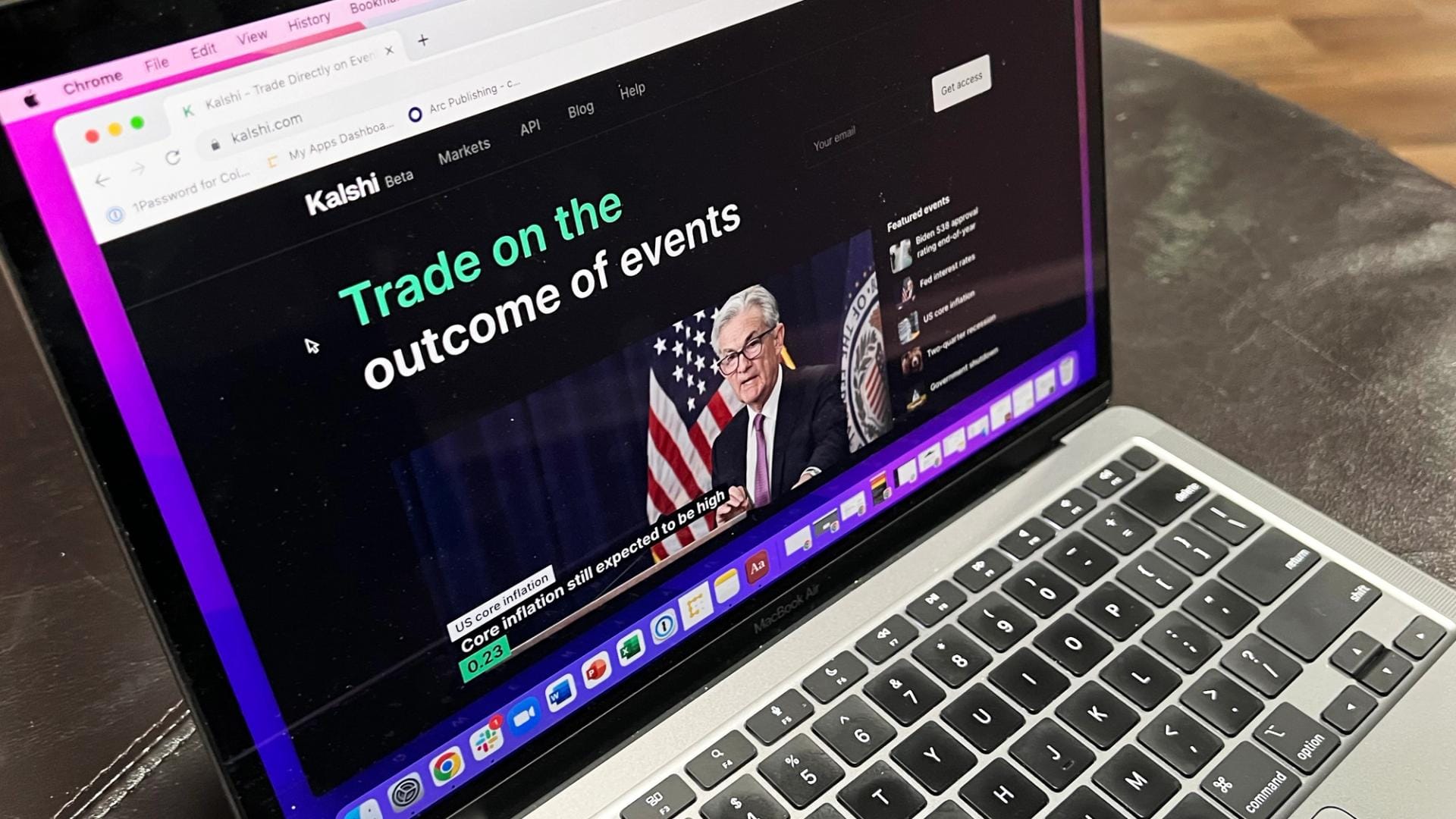
Spain has recently taken a significant step in the evolving landscape of cryptocurrency regulation, blocking access to prominent crypto prediction markets, Polymarket and Kalshi. This move, announced in May 2026, highlights the growing scrutiny these innovative platforms face from global regulators. For investors and enthusiasts tracking the intersection of finance and technology, understanding Spain’s decision regarding these platforms is crucial. The action underscores a broader trend of countries grappling with how to classify and regulate decentralized financial services, particularly those that resemble traditional gambling or financial instruments. This article delves into the details of why Spain has targeted these Spain Crypto Prediction Markets and what it signifies for the future of the industry.
On May 26, 2026, Spanish authorities moved to block access to two leading crypto prediction market platforms, Polymarket and Kalshi. The decision was based on the platforms operating within Spain without the necessary licenses, as mandated by Spanish gambling law. A primary concern cited by regulators was the lack of adequate safeguards designed to protect vulnerable populations, specifically minors and individuals who have self-excluded from gambling activities. This regulatory action effectively prevents users within Spain from accessing these platforms, signaling a firm stance on unlicensed operations within its borders.
Spain’s decision to block Polymarket and Kalshi carries significant weight for several reasons. Firstly, it adds Spain to a growing list of nations implementing stricter oversight on crypto-related activities, particularly those blurring the lines between finance and gambling. This trend indicates a global push towards greater regulatory clarity and consumer protection in the decentralized finance (DeFi) space. Secondly, the move highlights the ongoing challenge for innovative platforms like Polymarket and Kalshi, which often operate on decentralized principles, to navigate diverse national legal frameworks. Regulators are increasingly scrutinizing the underlying mechanics of these platforms, assessing whether they fall under existing gambling laws, financial regulations, or require entirely new classifications. For the broader crypto market, this action could influence how other European Union member states or even global jurisdictions approach similar platforms, potentially setting a precedent for future regulatory interventions. It underscores the tension between fostering innovation in DeFi and ensuring robust consumer safeguards for Spain Crypto Prediction Markets.
Prediction markets are platforms where users can bet on the outcome of future events, ranging from political elections and sports results to economic indicators and technological advancements. Participants buy and sell shares representing potential outcomes, with the price of these shares reflecting the crowd’s perceived probability of an event occurring. When the event concludes, shares corresponding to the correct outcome pay out, while others become worthless.
Crypto prediction markets, such as Polymarket and Kalshi, leverage blockchain technology and cryptocurrencies to facilitate these activities. This often allows for greater transparency, immutability, and sometimes, decentralization in their operations compared to traditional prediction markets. They can offer a wider range of event types and often operate across borders with relative ease, thanks to their digital nature, making the regulation of Spain Crypto Prediction Markets a complex issue.
However, this innovative structure also presents significant regulatory challenges. Many jurisdictions, including Spain, view these platforms through the lens of existing gambling laws, especially when they involve monetary stakes and uncertain outcomes. The debate often centers on whether prediction markets are primarily tools for information aggregation and forecasting (akin to financial derivatives) or simply a form of speculative betting. Spanish gambling law, like many others, is designed to protect consumers from potential harms associated with gambling, including addiction and financial loss, and mandates strict licensing, age verification, and responsible gambling measures. The lack of these specific safeguards was a critical factor in Spain’s decision, reflecting a broader regulatory trend to apply existing consumer protection frameworks to novel digital financial activities, impacting the future of Spain Crypto Prediction Markets.
The outlook for Spain Crypto Prediction Markets and similar platforms in regulated environments remains complex. This recent action by Spain suggests a continued trend of national regulators asserting their authority over decentralized applications that operate within their borders, regardless of their underlying technology. For platforms like Polymarket and Kalshi, this could mean a need to either pursue specific national licenses, adapt their offerings to comply with local laws, or face continued blocking. The industry may see a bifurcation, with some platforms choosing to operate only in jurisdictions with clearer or more permissive regulatory frameworks, while others attempt to integrate compliance mechanisms into their decentralized structures. Users in countries with strict regulations might find their access limited, pushing them towards less regulated or offshore alternatives, which could introduce new risks. Ultimately, the future will likely involve ongoing dialogue between regulators and innovators, potentially leading to new regulatory categories or harmonized international standards for these unique financial instruments.
Following Spain’s decisive action, readers interested in the future of Spain Crypto Prediction Markets and decentralized finance should monitor several key developments. Firstly, observe how Polymarket and Kalshi respond to this ban; their actions, whether legal challenges, compliance efforts, or strategic shifts, could set important precedents. Secondly, keep an eye on other European Union member states and global jurisdictions. Spain’s move might encourage similar regulatory actions or spark broader discussions on harmonizing crypto regulation across the EU. Thirdly, watch for any new legislative proposals or regulatory guidance specifically addressing prediction markets or their classification as gambling versus financial instruments. Finally, monitor the broader evolution of decentralized autonomous organizations (DAOs) and other DeFi protocols, as regulators continue to grapple with how to apply traditional legal frameworks to these novel structures.
<
Spain’s recent blocking of Polymarket and Kalshi underscores the significant regulatory hurdles faced by innovative Spain Crypto Prediction Markets. By citing a lack of proper licensing under gambling laws and insufficient consumer safeguards, Spain has joined a growing number of countries asserting control over the decentralized finance space. This action highlights the ongoing tension between fostering technological innovation and ensuring robust consumer protection. As the crypto industry continues to evolve, the need for clear, consistent, and adaptable regulatory frameworks will become increasingly critical for both platforms and users worldwide.
Source: CoinDesk
Further Reading: Learn more about prediction markets and their role in finance. For more on cryptocurrency regulations, visit our Cryptocurrency category.
Related reading: Strategy Debt Restructuring: Crucial $1.5 Billion Move by Michael Saylor’s Firm
Crypto prediction markets are platforms where users can speculate on the outcome of future events using cryptocurrencies. Participants buy and sell shares representing potential outcomes, with payouts determined by the actual event result. These markets often leverage blockchain technology for transparency and decentralization.
Spain blocked Polymarket and Kalshi because they were operating without the necessary licenses required under Spanish gambling law. Regulators specifically cited a lack of safeguards for minors and individuals who have self-excluded from gambling, indicating a focus on consumer protection.
The distinction is a key regulatory challenge. Gambling typically involves betting on uncertain outcomes for entertainment, often with a house edge, and is heavily regulated to prevent addiction and fraud. Financial instruments, like derivatives, are used for hedging or speculation based on market movements, often by sophisticated investors, and fall under financial regulations. Prediction markets often blur these lines, as they involve speculation but can also be seen as tools for information aggregation.
Source: https://www.coindesk.com/







