Physical Address
304 North Cardinal St.
Dorchester Center, MA 02124
Physical Address
304 North Cardinal St.
Dorchester Center, MA 02124

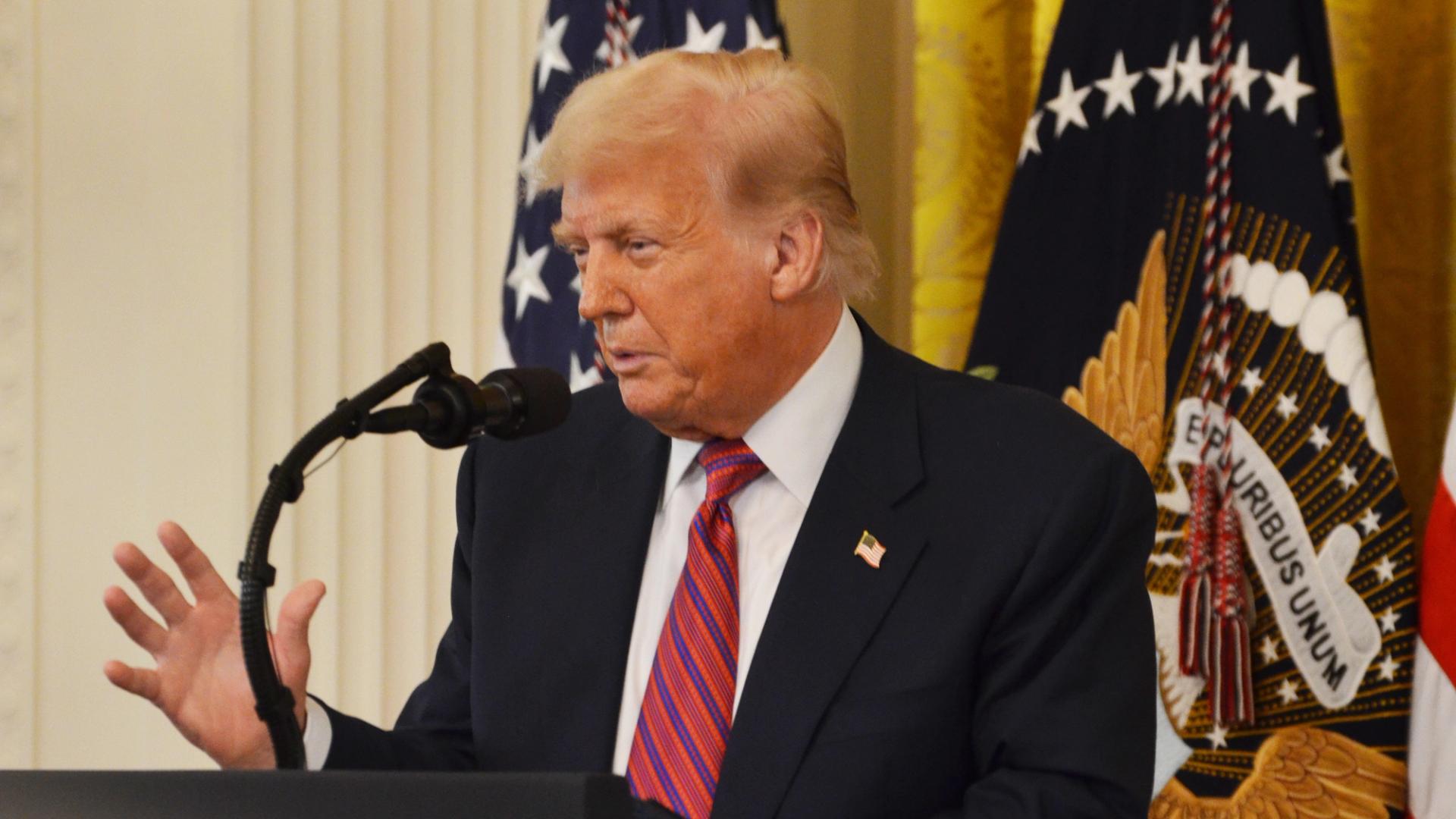
In a significant move for the digital asset industry, President Donald Trump has issued an executive order directing the Federal Reserve and key government agencies to review how depository institutions access traditional payment systems. This directive directly impacts how crypto payment rails are integrated into the broader financial ecosystem, potentially opening new pathways for cryptocurrency firms seeking direct access to federal payment services.
For years, the relationship between digital asset firms and traditional banking infrastructure has been a point of intense debate. This new executive order represents a formal effort to examine the rules governing this relationship, signaling a potential shift in how federal regulators view cryptocurrency integration with traditional banking.
President Donald Trump signed an executive order that formally requests the Federal Reserve to conduct a comprehensive review of how depository institutions are granted access to payment services. The order specifically targets the frameworks that govern access to payment rails, an area of the financial sector where the cryptocurrency industry is deeply involved and actively seeking expansion.
The directive asks the central bank and relevant government bodies to evaluate the current criteria for accessing these services. This review is expected to look closely at how modern financial institutions, including those operating within the digital asset space, can interact with the nation’s core payment infrastructure.
To understand the importance of this executive order, it is essential to understand the role of payment rails. Payment rails are the underlying networks that enable the transfer of funds between bank accounts, financial institutions, and businesses. Examples include the Automated Clearing House (ACH) network, wire transfer systems, and newer real-time payment networks like FedNow.
Historically, cryptocurrency firms have faced significant hurdles when trying to access these traditional systems. Without direct access to crypto payment rails that bridge the gap between fiat currency and digital assets, crypto companies must rely on intermediary traditional banks. This reliance can lead to several challenges:
By reviewing how depository institutions gain access to these services, the executive order could pave the way for clearer, more standardized rules. This could allow qualified cryptocurrency-focused depository institutions to interact directly with the Federal Reserve’s payment systems, reducing their dependence on traditional banking intermediaries.
Based on the official directive, the key aspects of the executive order include:
The struggle for direct access to the Federal Reserve’s payment systems is not new. In the United States, access to these systems is typically managed through what is known as a Federal Reserve Master Account. A Master Account allows a financial institution to clear transactions directly through the Fed, bypassing the need for a correspondent bank.
In recent years, several state-chartered depository institutions that specialize in digital assets have applied for these Master Accounts. Many of these institutions were created under specialized state frameworks, such as Wyoming’s Special Purpose Depository Institution (SPDI) charter. These charters were designed specifically to allow institutions to hold digital assets and conduct banking activities safely.
However, many of these firms have faced long delays or outright denials from the Federal Reserve when applying for Master Accounts. The Fed has historically cited concerns over safety, soundness, and the systemic risks associated with integrating cryptocurrency firms into the traditional payment system. This executive order represents a top-down directive to re-evaluate those standards and processes.
As this executive order is implemented, there are several key developments that market participants and observers should monitor:
While the executive order does not guarantee immediate access for any specific firm, it sets in motion a formal review process that could reshape the intersection of traditional finance and digital assets for years to come.
Payment rails are the technological networks used to move money from one financial institution to another. Examples include ACH, wire transfers, and the Federal Reserve’s FedNow service. In the digital asset space, crypto payment rails refer to the infrastructure that connects traditional fiat currency systems with blockchain networks.
Many crypto firms operate as or partner with specialized depository institutions. Direct access to federal payment services would allow these firms to settle transactions faster, lower operational costs, and operate with greater independence from traditional commercial banks.
A depository institution is a financial entity, such as a bank, savings association, or credit union, that is legally authorized to accept monetary deposits from customers. Some states have created specialized depository charters specifically for digital asset businesses.
No. The executive order is a directive for the Federal Reserve and government agencies to review the current processes and criteria for granting access. It does not mandate immediate approval for any specific institution or guarantee a particular policy outcome.
Source: https://www.coindesk.com/







[…] settlement times remains a primary bottleneck for institutional liquidity. When we ask what banking rails are, we are essentially defining the pathways through which value moves between entities. The industry […]