Physical Address
304 North Cardinal St.
Dorchester Center, MA 02124
Physical Address
304 North Cardinal St.
Dorchester Center, MA 02124

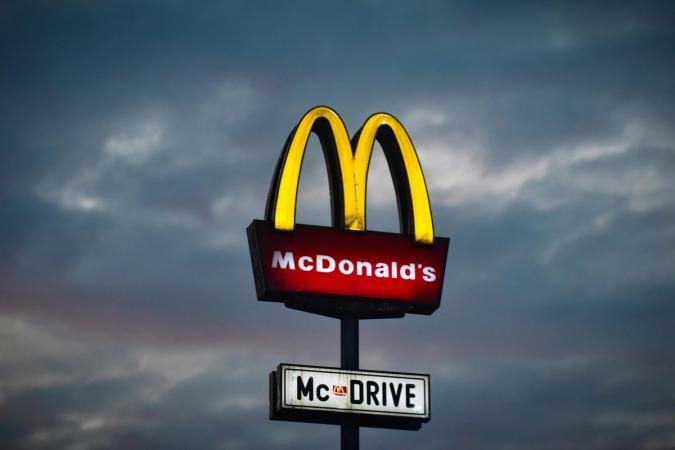
The question of why mcdonalds, microsoft and other industry titans are resisting tokenized securities reveals a complex struggle between innovation and regulatory caution. When these firms appeared on early tokenized trading venues, they did not necessarily endorse the platform. Instead, their pushback highlights a calculated approach to emerging financial technologies.
Source credit: CoinDesk.
Tokenized stocks represent shares of a company held on a blockchain. While proponents argue this increases liquidity and settlement speed, major issuers remain skeptical. According to CoinDesk, the primary issue is not the technology itself, but the lack of control over where their equity is traded. My research into corporate governance suggests that large-cap firms prioritize stability over experimental trading venues.
The SEC’s innovation exemption allows platforms to test new waters. However, corporations often view these exemptions as high-risk environments. They fear that unauthorized tokenization could lead to fragmented liquidity or brand dilution.
In my experience analyzing corporate filings, firms like Microsoft and McDonald’s maintain strict oversight of their share registers. They prefer traditional exchanges where they have established legal protections and clear oversight mechanisms.
The reluctance of these firms does not signal the death of tokenization. Rather, it indicates a maturation phase. Experts suggest that once institutional-grade infrastructure is verified, these companies may adopt blockchain-based equity management. We have seen similar hesitation in the early days of cloud computing, which eventually became standard practice for these same organizations.
Investors should view this friction as a sign of institutional rigor. Do not interpret corporate pushback as a rejection of blockchain technology. Instead, monitor how these firms engage with private, permissioned ledgers. My advice is to focus on companies that are actively participating in pilot programs with established financial institutions rather than those appearing on unregulated, experimental platforms.
Related reading: crypto under weekend: The Critical Urgent Update
Q: What is why mcdonalds, microsoft in the context of tokenization?A: It refers to the strategic reasoning behind why these major corporations have publicly distanced themselves from unauthorized tokenized versions of their stock on experimental trading platforms.
Q: How does why mcdonalds, microsoft work?A: These companies utilize traditional, SEC-regulated exchanges to manage their equity. They avoid tokenized platforms to maintain control over their share registers and ensure compliance with strict financial regulations.
Q: Why is why mcdonalds, microsoft important?A: Understanding this dynamic is critical for investors because it highlights the gap between blockchain-based financial innovation and the risk-averse requirements of global corporations.
Q: How to get started with why mcdonalds, microsoft research?A: Start by reviewing official investor relations statements from these companies regarding their equity management policies and their stance on digital asset integration.
Q: What are the best why mcdonalds, microsoft practices?A: The best practice is to prioritize investments in firms that favor regulatory compliance and transparent, institutional-grade trading environments over experimental, unverified platforms.
Source: https://www.coindesk.com/